
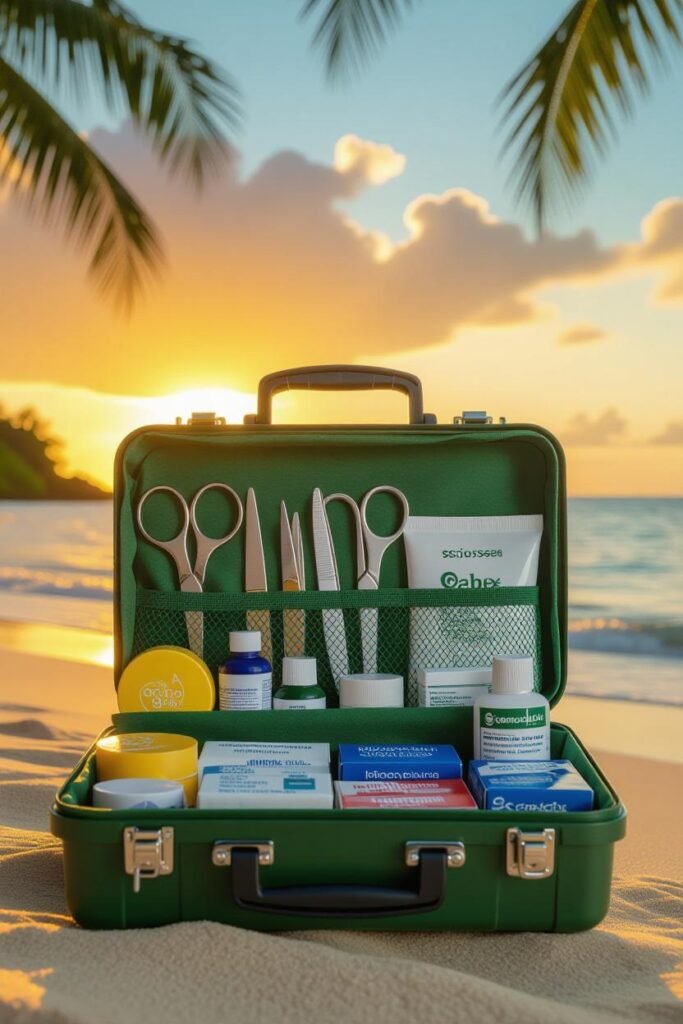
Your ultimate checklist for staying healthy abroad
Every time you pack for an overseas trip, there’s one item travelers consistently underestimate — a well-prepared travel medical kit. Whether you’re sightseeing in Europe, backpacking through Asia, or heading on a family vacation, bringing the right medical essentials can turn potential hassles into minor hiccups.
This guide walks you through the essential medical supplies for international travel, so you can explore the world feeling confident, organized, and prepared.
Why an Essential Travel Medical Kit Matters
When you’re abroad, healthcare systems and pharmacies may operate very differently from home. You might encounter unfamiliar brands, language barriers, or prescription restrictions. That’s why the Centers for Disease Control and Prevention (CDC) recommends assembling a personalized “travel health kit” with items that match your destination and your health needs.
Having your own kit isn’t about expecting problems — it’s about preventing small issues from ruining a great trip.
1. Prescription Medications and Documentation
Your prescriptions are the backbone of your travel health kit.
Tips for safe packing:
- Pack all daily medications in their original labeled containers, and bring enough for your entire trip — plus a little extra in case of delays.
- Carry printed copies of your prescriptions and keep digital photos on your phone.
- Bring a note from your doctor if you take controlled or injectable medications.
- Verify that your medications are legal and permitted in your destination country.
- If you wear glasses or contacts, always pack a spare pair.
(Need help organizing your kit? See our Top-Rated Travel Medical Kits guide.)
2. Basic First Aid and Wound Care
Minor scrapes, blisters, or cuts are the most common travel injuries — and they can worsen quickly in humid or dusty environments. Your kit should include:
- Adhesive bandages (various sizes)
- Gauze pads and adhesive tape
- Antiseptic wipes or solution
- Small scissors or tweezers (pack in checked luggage if needed)
- Antibiotic ointment
- Hydrocortisone cream for rashes or insect bites
- Instant cold pack
For a visual reference, Johns Hopkins Medicine’s travel checklist outlines similar must-have items for travelers.
3. Medications for Common Travel Issues
Even well-planned trips can be derailed by a headache, upset stomach, or allergies. Pack small quantities of over-the-counter medications you already trust:
- Pain relief: ibuprofen or acetaminophen
- Stomach relief: antacids, anti-diarrheal medication, oral rehydration salts
- Allergies: non-drowsy antihistamines
- Motion sickness: meclizine or dramamine
- Cold/flu care: decongestant, cough drops, tissues
These simple items handle nearly all common travel ailments without needing a pharmacy visit.
4. Preventive and Destination-Specific Items
A few smart extras can make a huge difference in your comfort and safety:
- Hand sanitizer and disinfectant wipes
- Sunscreen (SPF 30 +) and aloe vera gel
- Insect repellent (DEET or picaridin-based)
- Digital thermometer
- Water purification tablets or portable filter (if local water is uncertain)
- Moleskin or blister pads for hikers
If you’re visiting remote areas, consider packing backup power for medical devices and store everything in a waterproof pouch.
5. Smart Packing and Airport Security
Keep essential medications and medical supplies in your carry-on bag, not checked luggage. Lost bags happen — and you don’t want to be stranded without your prescriptions.
The TSA medical travel page explains what items are allowed in carry-ons (most are, if properly labeled).
Pro packing tips:
- Split your kit between two bags if traveling with a partner.
- Label medications clearly.
- Keep an emergency note in your phone listing your medications and contacts.
6. Customize for Your Destination
No two trips are the same. A backpacking adventure through Southeast Asia requires different prep than a resort stay in Italy. Ask yourself:
- Will I be far from pharmacies or hospitals?
- Is the area hot, humid, or high altitude?
- Am I traveling with kids or older adults?
Adjust your supplies based on these factors, and you’ll never overpack or be caught unprepared.
Quick Travel Medical Kit Checklist
Must-Haves
✅ Routine prescriptions + copies
✅ Bandages, antiseptic, ointment
✅ Pain and stomach medications
✅ Hand sanitizer + wipes
✅ Sunscreen + insect repellent
✅ Thermometer
✅ Glasses/contacts + spares
Nice-to-Haves
☑️ Water purifier tablets
☑️ Blister care or moleskin
☑️ Aloe vera gel
☑️ Ear plugs and sleep mask
☑️ Emergency blanket
Final Thoughts on Essential Medical Supplies for International Travel
Travel is about discovery, not discomfort. Packing your essential medical supplies for international travel ensures small issues never ruin big adventures. A compact, well-planned travel medical kit is your best insurance against unexpected illness or injury abroad.
By taking a few minutes to prepare, you’ll save hours of frustration — and possibly avoid an unplanned visit to a foreign clinic.
Pack smart, stay healthy, and enjoy every moment of your journey.
What should I include in a travel medical kit for international trips?
A well-rounded travel medical kit should contain your essential medical supplies for international travel, including prescription medications, bandages, antiseptic wipes, pain relievers, allergy medicine, and basic first-aid tools such as scissors and tweezers.
Add preventive items like hand sanitizer, sunscreen, and insect repellent based on your destination’s climate and health risks.
Can I bring prescription medications through airport security?
Yes. According to the TSA Medical Travel Guidelines, travelers can bring prescription medications in carry-on bags.
Keep them in their original labeled containers, and carry copies of your prescriptions. Liquids over 3.4 oz are allowed if medically necessary—just declare them at the checkpoint.
How can I customize my travel medical kit for different destinations?
Tailor your travel health kit to your trip type.
For tropical regions, include insect repellent, oral rehydration salts, and sun protection.
For colder or high-altitude areas, pack cold-relief medicine, moisturizer, and extra prescriptions in case of delays.
Always research local healthcare access before departure.
Where can I buy a ready-made travel medical kit?
You can find pre-assembled travel medical kits on Amazon or at most pharmacies.
Check our guide on Top-Rated Travel Medical Kits for product comparisons and expert recommendations.
For more recommendations, visit our Top-Rated Travel Medical Kits guide.